
First Africa Urban Forum: The Just City in Africa: Democracy, Social Justice, and Sustainability
Urbanization has the potential to significantly improve the quality of life for millions of people by increasing access to public services, transportation, housing, and employment opportunities. These benefits, however, are not guaranteed. They hinge on the nature of investments in urban infrastructure, whether by the State, private sector, or civil society. The preparedness, planning, and responsiveness of urban development efforts play a crucial role in determining whether urbanization can be a force for good. Unfortunately, prevailing injustices often prevent the benefits of urbanization from being equally distributed among all citizens.
In many African cities, the processes of urbanization and infrastructure development are frequently driven by narrow business and political interests, rather than being inclusive or democratic. Male-dominated norms often dictate how cities are designed, planned, and administered, marginalizing women and their needs in the urban landscape. While women are active participants in society, their involvement in infrastructure planning and implementation is generally limited. As a result, infrastructure is rarely designed with the needs of women in mind, leaving millions of people to move from rural areas or be born into what can be described as "unjust" cities.
With State agencies retreating from direct infrastructure development, private financial actors have increasingly taken on a direct role in the design and development of urban spaces. This shift has significant consequences: financial market actors now largely influence what infrastructure is built, where it is built, and for whom it is built. This trend exacerbates existing inequalities, as infrastructure development is often skewed towards the interests of those who can afford to invest, rather than the needs of the broader population.
To address these challenges, it is essential to lift the barriers to gender-responsive infrastructure. Investments in market facilities, women-friendly public transit systems—including safe bus stops—and expanding women’s access to jobs should be prioritized. Such initiatives should have the primary objective of supporting women and marginalized groups, ensuring that urban development serves the needs of all citizens, not just a privileged few.
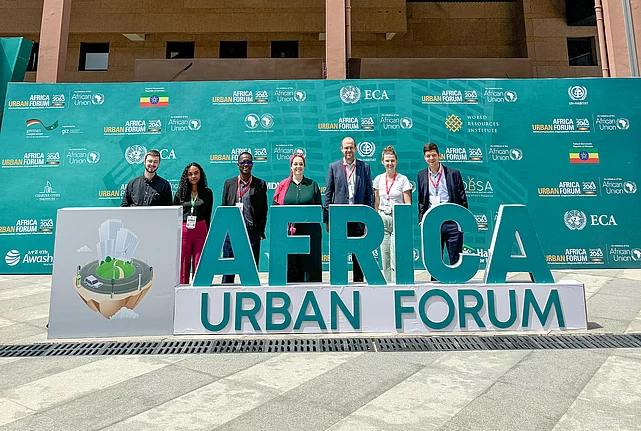
Against this backdrop, the upcoming African Urban Forum (AUF), hosted by the African Union on 4–6 September 2024, presents a critical opportunity to address these issues. Under the theme “Sustainable Urbanization for Africa’s Transformation: Agenda 2063,” the forum will focus on two sub-themes: “Financing Urbanization for Socio-Economic Transformation” and “Sustainable and Resilient Urban Development in Africa.” This gathering will be pivotal in highlighting the efforts needed to realize a Just City, which depends on the changing forms of infrastructural provision and access.
The pre-event will explore the opportunities that urbanization presents and how to distribute them more evenly across society. The objective is to jointly envision and work towards African cities that are designed for and run by the many, not the few. Participants will need to develop clear policy messages, identify progressive micro-struggles to be publicized, and propose concrete measures to make the distribution of incomes, opportunities, and public goods more equitable within the rapid urbanization process in Sub-Saharan Africa.
The AUF will bring together the African Just City community to share experiences and contribute to a better understanding of what constitutes a just city. Just City alliances will showcase their contributions to achieving Sustainable Development Goal 11 by democratizing urban planning, developing efficient financing strategies for local governments, and improving access to public services and goods.
As Africa continues to urbanize rapidly, the need for inclusive, equitable, and sustainable urban development becomes ever more urgent. The AUF will be a critical platform for discussing and advancing the ideas and strategies necessary to build cities that serve all citizens, not just a select few. The vision of a Just City, where infrastructure and resources are distributed fairly and democratically, must guide the future of urbanization in Africa.
Meet the Speakers
Geraldine Kabami
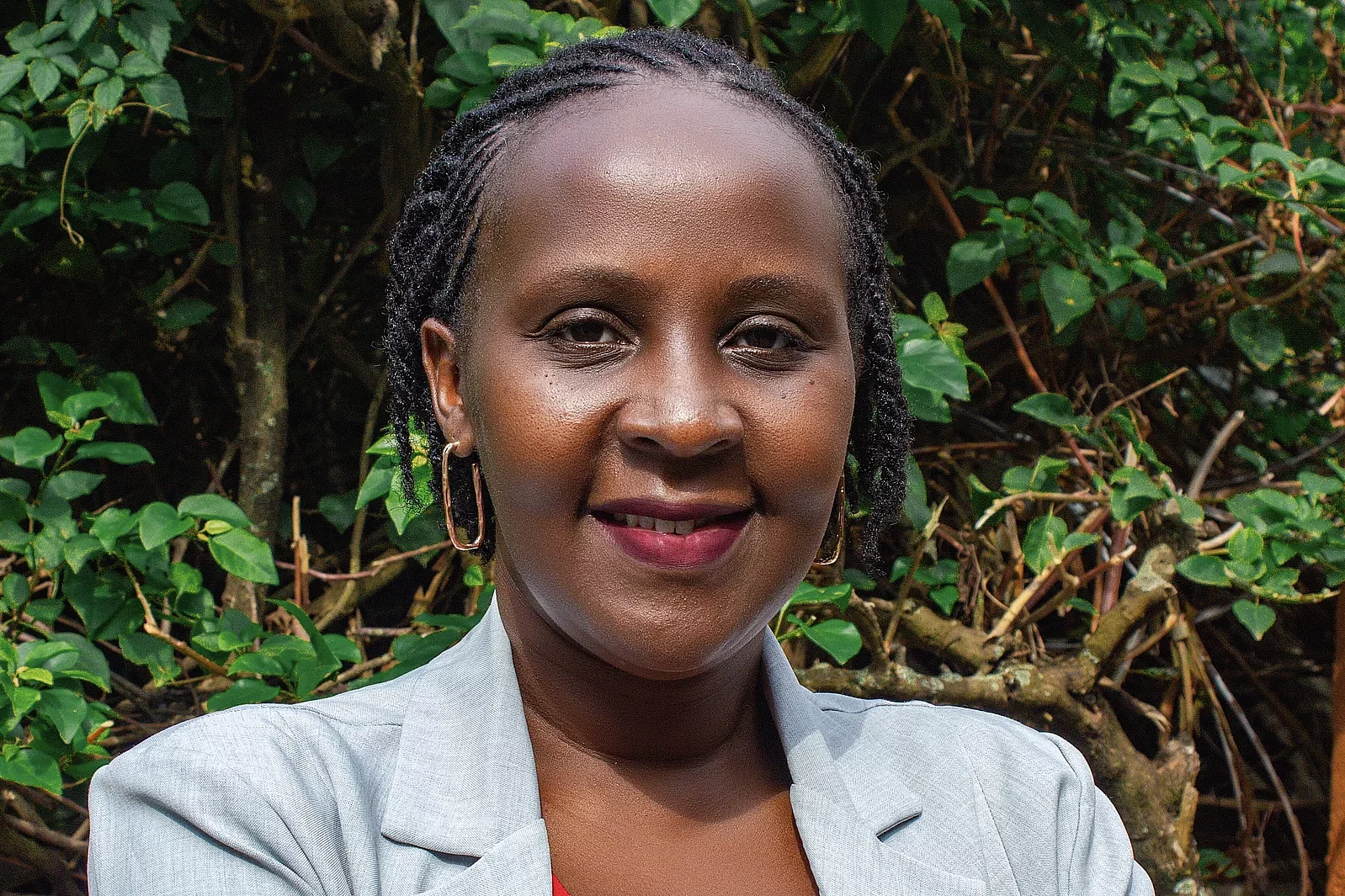
Geraldine is a Senior Program Manager at Friedrich-Ebert-Stiftung Uganda. She coordinates the Urban Informality Working Group, which is a platform that brings together civil society actors to collectively deliberate and engage on urban informality. She also manages the Paratransit Consultative Forum, a dialogue platform in which multiple stakeholders meet to discuss urban transport planning in Greater Kampala. She has worked for over 13 years with development researchers and practitioners on social justice issues, including securing land tenure, affordable housing, and mobility for the urban poor, advocating for inclusivity and women’s rights. Her first degree is in Law, with a Master's degree in Development Management from The Open University, UK.
Githau Thabanja
Githau Thabanja has served as the City Manager of Nakuru City in Kenya since 2019, overseeing the city's administration. In Africa, he is the UNESCO Creative Cities Network Coordinator for Craft and Folk Arts and the National Chair of Kenya’s City and Municipal Managers. He offers a fresh perspective on Nakuru’s administration and planning, committed to transformation. He earned a Master of Urban Administration and Planning from the University of Seoul in 2019, holds a Master’s in Governance and Ethics from Mount Kenya University, and a Bachelor's in Economics and Business Studies from Kenyatta University.
Shelton Mthunzi Sithole
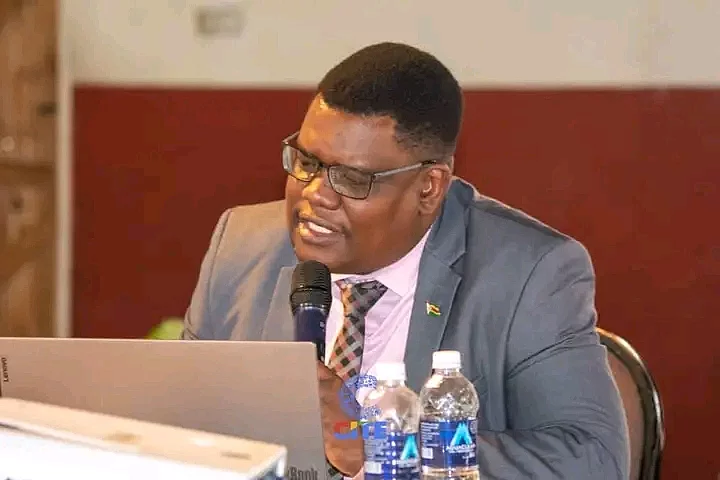
Shelton is a highly skilled Corporate Town Planner with the Zimbabwe Institute of Regional and Urban Planners. He currently works as the Principal MSMEs Planning and Development Officer at the City of Bulawayo. His expertise is reflected in his involvement in master and local development plans for the city. Shelton is pursuing a doctoral degree in Urban Planning at the University of Johannesburg and holds advanced degrees in Spatial Planning Systems and Development Studies. He is also an accomplished author focusing on urban planning and the informal sector.
Amanda Ngabirano
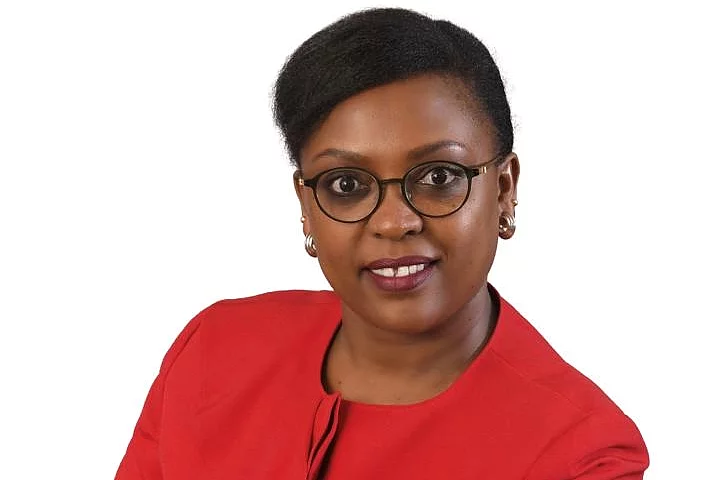
Ms. Amanda Ngabirano is the Chairperson of Uganda's National Physical Planning Board and a former Vice President of the World Cycling Alliance. An urban and regional planner and Makerere University lecturer, she focuses on linking research with practice. Her research, conducted in partnership with international researchers, covers informality, transport, road safety, and public space quality in Kampala. She launched the non-motorized transport pilot on Kampala's Namirembe road, Luwum Street, emphasizing walking, cycling, and public space. Amanda is also the independent Chair of the Greater Kampala Paratransit Consultative Forum, which supports dialogue among public transport stakeholders, and is backed by FES.
Mr. Kibirige Francis
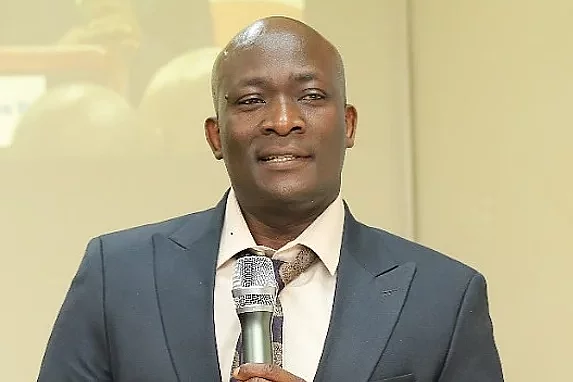
Francis Kibirige is the Managing Director and co-national Investigator of the Afrobarometer surveys in Uganda. With over 20 years of experience, he has managed high-profile projects for government and international development organizations. As the sampling specialist for Afrobarometer, he assists over 40 national partners in drawing representative samples of the adult population. He holds a degree in agricultural engineering from Makerere University and has completed four fellowship programs in research methodology and statistical modeling at the University of Michigan and the University of Cape Town.
Jalal Abdel-Latif
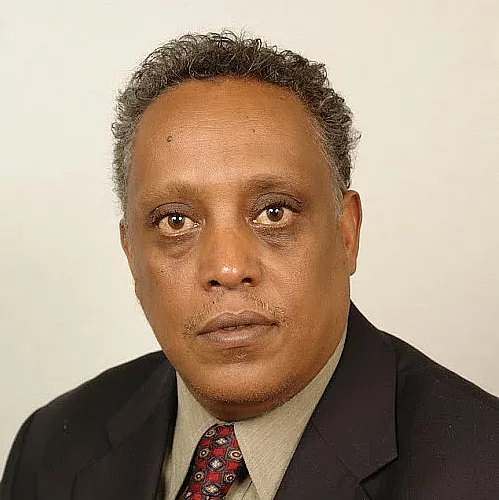
Jalal Abdel-Latif is currently the Senior Social Policy Advisor at the Gender, Poverty, and Social Policy Division of UNECA. His professional focus is on economic and social development, particularly regarding peace and security issues in Africa, as well as good governance. With over 30 years of experience, Jalal has expertise in corporate social responsibility, humanitarian responses, civic engagement, grant-making, project design, and enhancing the capacities of non-profit organizations. Before joining UNECA, Jalal worked with the World Bank in Ethiopia, Sudan, and South Sudan, supporting post-conflict reconstruction operations. He holds a Master's degree from the UCLA African Studies Center with focus on urban development and began his career as a researcher and capacity analyst there.
Florence Nyole

Florence Nyole, a registered architect with 12+ years of experience and founder of EcoSpace Architects Ltd, has worked at Waweru and Associates Architects and the African Wildlife Foundation's Classroom Africa program. She received the 2017 AAK Awards of Excellence for designing Mara Girls Leadership School and was nominated for the 2024 Leader in Social Impact award by Women in Real Estate Kenya. She has served as a Tutorial Fellow at the University of Nairobi, won a leadership award in 2021, and is the current President of the Architectural Association of Kenya. She is also named among the Top 40 under 40 Women in 2024 by Daily Nation's Business Daily and participates in various committees, including the FES Kenya-supported Just City Working Group.
Kuria David Kamau
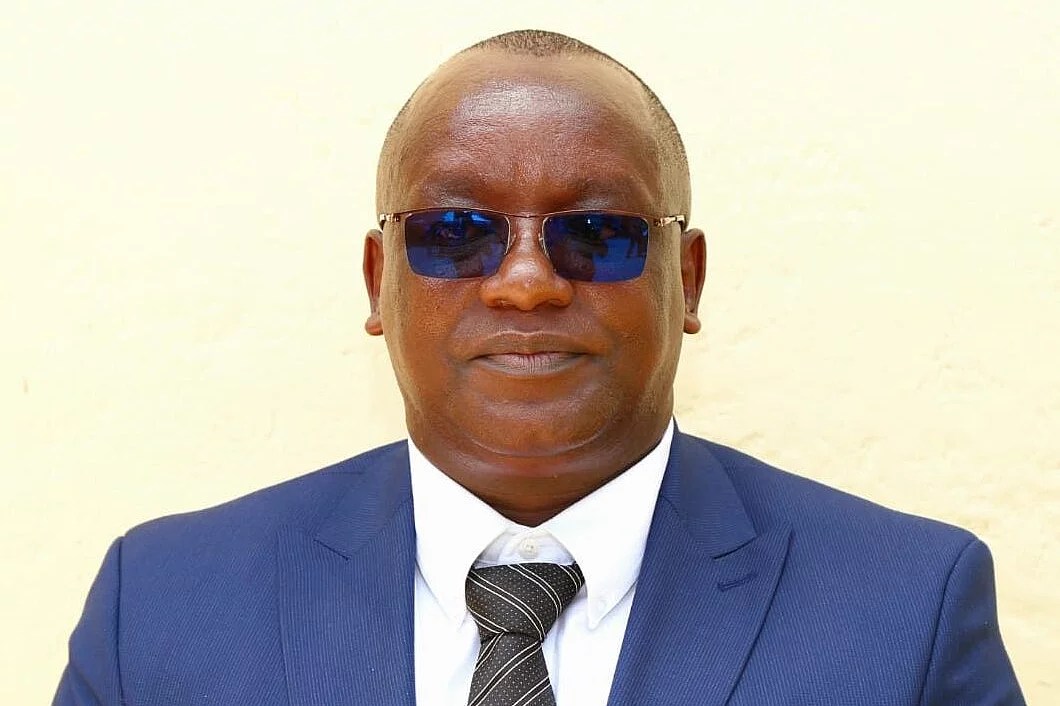
Kuria David Kamau is the Chief Officer - Housing & Urban Development in Nakuru County. He is an expert in water and waste management, founding AFRICAQUA to provide affordable safe drinking water in Africa. He also founded IKOTOILET, pioneering public-private investments in Nairobi's public toilets. He is pursuing a Ph.D. in Project Management at Jomo Kenyatta University of Technology, where he earned his Bachelor's in Architecture, and holds an MBA in Corporate Governance from KCA University.
Charles Wagura
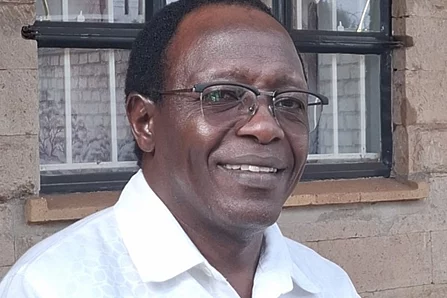
A graduate of Land Economics and Masters degree in Urban & Regional Planning both from University of Nairobi, Charles has Over 25 years’ experience of in the Built environment; specifically areas on Human Settlements and urban development in the public and private sector before joining the UN: Handled several assignments in Urban and Regional Planning and Management, Housing Development (including slum upgrading), project management and Administration, Real Estate and Property Appraisal/Valuation as well as facilities management. He is also a licensed Lead Expert in Environmental Impact and Audit Assessment. He is very passionate about inclusivity and believes each and every individual possesses a unique gift to share with others.