
The Just City Principles
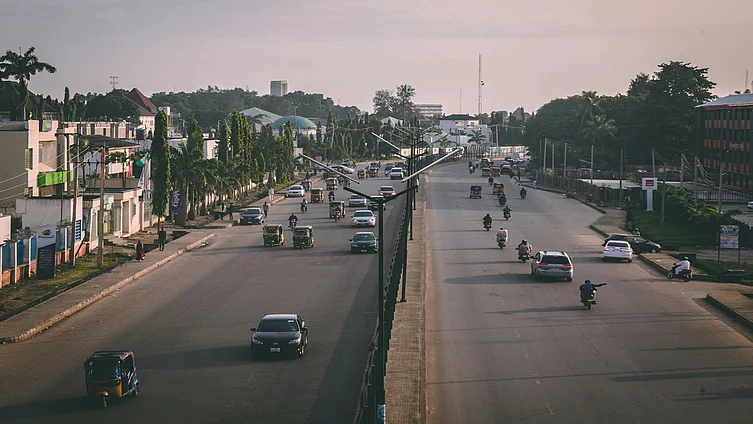
Imagine a city where everyone—regardless of their background—has equal access to opportunities and services that promote a dignified life. A "just city" is built on the principles of diversity, equity, and inclusion, ensuring that all residents enjoy decent work, health, education, and housing, free from the barriers of race, gender, or socio-economic status. This vision champions dignity for all, especially those in informal areas, while promoting democracy by involving diverse voices in urban planning. Safety, accessibility, affordability, and sustainability are cornerstones of this city, creating a vibrant, inclusive urban environment for current and future generations.
Urbanization discourses and pundits must prioritize the voices and needs of the most vulnerable-urban poor, women, informal workers, and marginalized communities, reveal the economic and social costs of exclusion and highlight the limitations of top-down planning or exclusively market driven approaches. The call for a “Just City” is a call for democratization and inclusivity: for urban planning that is participatory, transparent, and responsive to those who use and shape the city every day, recognizing African cities as complex political ecosystems shaped by colonial histories, business and elite interests and contemporary realities, moving beyond technocratic and Euro- or Sinocentric models of urban development such as ‘smart’, ‘green’, ‘new’ or ‘prosperous’ cities.
The Principles for the Just City
- Democracy – this call for urban planning and decision-making processes which embraces participation. It seeks to envision a city whose planning and implementation incorporates voices, perspectives and experiences from diverse social groups in urban areas.
- Dignity – often, informality is stigmatized which is why we want dignity to be the fundamental principle that underlies both human rights-based approaches and our equity work. It implies respect for and recognizing residents of informal areas as equal citizens.
- Diversity, Equity and Inclusion (DEI) – this principle calls for equitable access to opportunities (decent work) and services (health, transport, education, housing) for all city residents regardless of their race, gender, socio-economic status or ethnicity. In a just city we focus on fighting the intersections of oppression, i.e. combined inequalities.
- Accessibility and Affordability – the relevance of access and affordability cannot be underestimated in a ‘just city’. For example, a feminist city will have gender-responsive public services.
- Sustainability – a sustainable and people-centered city is designed to meet and address the current challenges without endangering the future prospects of the planet. This includes amongst others the sustainable use of land, sustainable infrastructure and transport.
- Public Safety – this call for a city with physical safety, adequate space and protection along with social safety mechanisms for all residents with a particular emphasis on groups at risk such as women, elderly people, children and peoples living with disability(ies). Safety challenges need context-specific responses, reduced inequality and the inclusion of communities.
When urban planning and policy making prioritize these principles, cities can empower their citizen, strengthening women, the elderly, youth, children and people with disabilities. Urbanization in Africa has the potential to drive economic development, create jobs, and improve access to services like healthcare and education. Surveys show that people in Africa are moving to cities in the expectation of significant improvement of their living conditions and public services. However, their hopes are currently being dashed as cities exacerbate existing inequalities.
People-Centered, Participatory and Democratic Urbanization
For an inclusive urban development, transparent, well-equipped, and accountable states capable of delivering just urban infrastructure and public services are strongly needed. In a context of social cleavages, distrust towards the state and disappointment of elite leadership, cities have become sides of democratic struggle as well as of political apathy. Cities that embrace participation and democracy play a crucial role in countering the spread of authoritarianism and autocratic rule. Involving citizens in shaping their cities leads to concrete outcomes that help rebuild public confidence in democratic systems.
Therefore, democratic participation must be guaranteed not only through elections, but also in the inclusive development and implementation of urban projects. Thus, African cities, municipalities and national governments must develop and implement their own inclusively-elaborated strategies that balance formal and informal economies and long-term planning vs. short-term political interests and allow for more efficient bottom-up processes. Furthermore, in order to reclaim public goods for all and protect the interests of marginalized groups, gender justice must be at the core of urban planning, as it is especially women and marginalized groups that suffer from exclusion and informality.